

Future of PCB Industry:
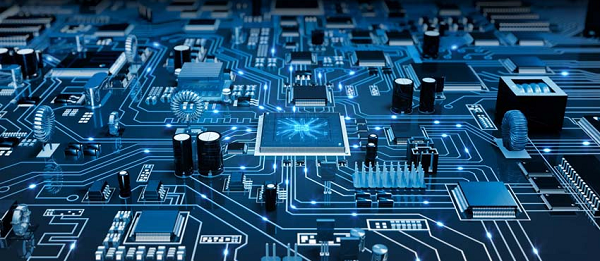
We often talk about big things, if we are talking about technology. Faster phones. Smarter cars. Artificial intelligence. In fact, very few people would think about the tiny parts that make all this possible, and one of those parts is the Printed Circuit Board, or PCB.
I remember when I first learned about PCBs, they didn’t sound very exciting. Just a board with some lines and components. But over time, it became clear to me that without PCBs, nothing electronic would work. Not even the simplest device.
Today, the PCB industry is changing quietly, but in very important ways.
Devices Are Becoming Smaller and Smarter
In today’s time, the difference is very clear if you compare old electronic devices and today’s gadgets. Everything has become smaller. Lighter. Faster.
But here’s the problem. When devices become smaller, designing a PCB becomes harder. There is less space. Heat builds up quickly. Signals can interfere with each other.
Because of this, PCB designers now have to think more carefully. They use better layouts and more layers inside the board. It’s not just about fitting parts anymore. It’s about making sure the board works properly for a long time.
High-Density PCBs Are Becoming Common
One thing that keeps coming up in the PCB industry is high-density PCBs. Simply put, these boards allow multiple components to be placed very close together.
This is useful for phones, laptops, and tablets. People want thin devices, but they also want speed and performance. High-density PCBs help balance both.
In my opinion, this trend will only grow. As long as companies keep trying to make devices smaller, high-density boards will stay in demand.
Flexible and Rigid-Flex PCBs Are in Demand
Earlier, PCBs were stiff and flat. There was no flexibility at all. That limited product design.
Now, flexible and rigid-flex PCBs are changing things. These boards can bend and fit into tight spaces. This is one big reason why smartwatches, fitness bands, and foldable phones exist today.
Flexible PCBs also reduce the need for extra wires. Fewer wires mean fewer chances of failure. As wearable and portable electronics grow, flexible PCBs will slowly become normal, not special.
Artificial Intelligence Is Supporting PCB Manufacturing
When people hear “AI,” they think of robots or smart apps. But AI is also working behind the scenes in PCB manufacturing.
In design stages, AI tools help engineers find mistakes early. They suggest improvements and save time. This does not replace engineers, but it helps them work better.
Inside factories, AI systems inspect PCBs for small defects. These defects are often too tiny for human eyes to catch. Because of this, quality improves and waste reduces. It’s a quiet change, but a useful one.
5G Technology Is Changing PCB Requirements
5G technology has made things more challenging for PCB manufacturers. High-speed signals behave differently. Old PCB materials are not always good enough.
Companies are using special materials to reduce signal loss. These materials are hard to work and are very costly, and there is no alternative.
As network speeds continue to increase, PCB designs will have to improve step by step. There is no shortcut here.
Eco-Friendly PCB Production Is Growing
There is one topic that cannot be ignored at all in today’s time and that is the environment. PCB manufacturing in the past involved heavy chemical use. That created pollution and waste.
Now many companies are trying to change their ways and method. Lead-free soldering, safer chemicals, and better waste handling are becoming more common.
Some manufacturers are also focusing on durability. If a PCB lasts longer, the device lasts longer. This helps reduce electronic waste. The shift is slow, but it is happening.
Automation Is Changing PCB Factories
PCB factories today look very different from older factories. Automation is everywhere.
Machines handle drilling, component placement, and testing. This will reduce errors and improve accuracy. Humans will still play an important role, but machines are better to doing the same thing over and over again. In the future, more PCB factories will rely on automation to meet large demand without compromising quality.
Opportunities for Developing Countries
This industry is opening new doors for developing countries and country like India is focusing more on electronics manufacturing.
Local PCB production reduces imports and creates jobs. With proper training and quality control, these countries can become strong players in the global market. It will take time to change this, but its potential is real.
Conclusion
Although the PCB industry may not look attractive from the outside, it is constantly changing. Smaller devices, flexible designs, AI support, fast networks, and eco-friendly methods are shaping its future.
PCBs will probably remain hidden inside devices. Most users will never notice them. But I believe their importance will only grow as technology continues to move forward.