


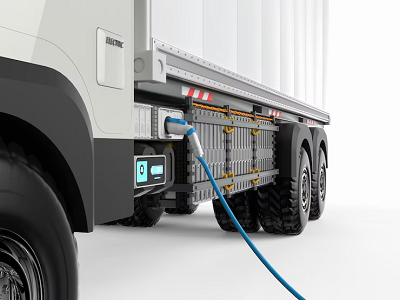
Off-Highway EVs Powered by Lithium-Ion Battery Technology
The global push toward electrification is no longer limited to passenger vehicles and public transport systems. Industries such as construction, agriculture, and mining are now undergoing a major transformation with the emergence of next-generation off-highway electric vehicles (EVs). These vehicles are designed to operate in rugged environments while delivering high performance and efficiency. At the heart of this transformation lies lithium-ion battery technology, which has evolved significantly in recent years. As environmental concerns grow and regulatory pressures increase, industries are turning to electric solutions to reduce emissions and improve operational efficiency.
Rising Demand for Electric Off-Highway Vehicles
Off-highway vehicles have traditionally relied on diesel engines due to their power capabilities and reliability in demanding conditions. However, rising fuel costs and stricter environmental regulations are encouraging industries to adopt cleaner alternatives. Electric off-highway vehicles are gaining popularity as they offer reduced emissions, lower operating costs, and improved energy efficiency. The growing awareness of sustainability and the need to minimize carbon footprints are also contributing to the increased demand for these advanced machines.
Role of Lithium-Ion Battery Technology
Lithium-ion batteries are playing a crucial role in enabling the adoption of off-highway EVs. Their high energy density allows vehicles to operate for longer periods without frequent recharging, making them suitable for heavy-duty applications. Additionally, these batteries are more compact and lightweight compared to traditional alternatives, improving overall vehicle efficiency. Advances in battery management systems have further enhanced performance, ensuring better energy utilization, safety, and longer battery life.
Technological Advancements Driving Growth
Recent innovations in lithium-ion battery technology have significantly improved the performance and reliability of off-highway EVs. Fast-charging capabilities are reducing downtime, allowing vehicles to be recharged quickly and efficiently. Battery swapping solutions are also being explored to maintain continuous operations in industries where downtime can lead to losses. Furthermore, improvements in battery durability enable these systems to withstand harsh operating conditions, including extreme temperatures and heavy workloads.
Integration of Smart Features
Modern off-highway EVs are increasingly equipped with smart technologies that enhance their functionality and efficiency. Telematics systems provide real-time insights into battery health, energy consumption, and vehicle performance. Predictive maintenance powered by data analytics helps identify potential issues before they become critical, reducing downtime and maintenance costs. These features are aligning with the broader trend of digital transformation across industries.
Environmental and Economic Benefits
One of the most significant advantages of off-highway EVs is their positive environmental impact. These vehicles produce zero tailpipe emissions, helping industries reduce air pollution and meet regulatory requirements. In addition to environmental benefits, electric vehicles offer economic advantages through lower fuel and maintenance costs. Although the initial investment may be higher, the long-term savings make them a cost-effective solution for many businesses.
Expanding Applications Across Industries
The adoption of off-highway EVs is expanding across various sectors. In agriculture, electric tractors and equipment are providing quieter and more efficient operations. The construction industry is increasingly using electric machinery in urban areas where noise and emissions regulations are strict. In mining, electric vehicles are improving air quality and reducing ventilation costs, particularly in underground operations. These diverse applications highlight the versatility and potential of electric off-highway vehicles.
Market Outlook and Industry Insights
The market for off-highway EVs is expected to grow significantly in the coming years, driven by advancements in battery technology and increasing demand for sustainable solutions. Persistence market research provides valuable insights into market trends, helping stakeholders understand the evolving landscape and identify growth opportunities. Their analysis indicates a strong shift toward electrification as industries continue to prioritize efficiency and sustainability.
Challenges and Future Opportunities
Despite the progress, certain challenges remain. Limited charging infrastructure in remote locations, battery performance in extreme weather conditions, and the need for standardization are key issues that need to be addressed. However, ongoing research and development efforts are expected to overcome these challenges. Innovations such as solid-state batteries and improved energy storage solutions will further enhance the capabilities of off-highway EVs.