


Network traffic monitoring has evolved from a nice-to-have administrative tool into an essential cybersecurity defense mechanism. As organizations face increasingly sophisticated threats—from AI-powered attacks to ransomware-as-a-service—real-time visibility into network activity is no longer optional.
Network traffic monitoring encompasses the continuous analysis of data flows across network infrastructure, tracking bandwidth consumption, application performance, and security anomalies. Modern implementations leverage machine learning algorithms and behavioral analytics to detect threats that traditional signature-based systems miss entirely.
Modern Network Traffic Monitoring: A Multi-Layered Approach
Today’s network environments demand comprehensive monitoring strategies that address cloud-native architectures, IoT proliferation, and zero-trust security models:
1. Multi-Source Telemetry Collection
Modern networks generate telemetry from diverse sources: on-premises infrastructure, multi-cloud environments, edge devices, and IoT endpoints. Leading organizations deploy unified observability platforms that aggregate flow data (NetFlow, sFlow, IPFIX), packet captures, API logs, and cloud-native telemetry into centralized data lakes for correlation and analysis.
2. AI-Powered Device and Application Discovery
Advanced network monitoring platforms now utilize machine learning to automatically discover and classify devices, applications, and services. These systems baseline normal behavior patterns, identify shadow IT, detect unauthorized devices within milliseconds, and flag anomalous traffic patterns indicative of lateral movement or data exfiltration attempts.
3. Intelligent Analysis and Automated Response
Contemporary network traffic analysis goes beyond bandwidth monitoring. AI-driven platforms detect zero-day exploits through behavioral anomalies, identify encrypted malware command-and-control traffic, predict capacity constraints before they impact operations, and trigger automated remediation workflows that quarantine compromised endpoints or block malicious IPs in real-time.
4. Next-Generation Monitoring Platforms
Today’s enterprise-grade network monitoring solutions feature cloud-native architectures with infinite scalability, AI/ML-powered threat detection with sub-second response times, integration with SIEM, SOAR, and XDR platforms for unified security operations, automated compliance reporting for frameworks including NIST CSF 2.0, CMMC 2.0, and NIS2, and predictive analytics that forecast network performance trends and capacity requirements.
Why Network Traffic Monitoring Is Non-Negotiable
The threat landscape has fundamentally shifted. Ransomware attacks now cost organizations an average of $4.91 million per incident, while the average data breach takes 194 days to identify. Without continuous network visibility, organizations operate blind. Critical drivers include:
- Ransomware and Advanced Persistent Threats: Early detection of lateral movement and data staging activities can prevent encryption events entirely. Network traffic analysis identifies suspicious patterns—unusual port scanning, abnormal data transfers to external IPs, or encrypted traffic to known malicious domains—before attackers complete their kill chain.
- Zero Trust Architecture Requirements: As organizations abandon perimeter-based security, network traffic monitoring becomes the enforcement mechanism for zero-trust principles. Continuous verification of device identity, application authorization, and data access patterns ensures that “never trust, always verify” isn’t just a slogan.
- Hybrid and Multi-Cloud Complexity: With workloads distributed across AWS, Azure, GCP, and on-premises infrastructure, unified traffic visibility prevents blind spots. Modern monitoring correlates activity across environments, ensuring consistent security posture regardless of where applications run.
- Regulatory Compliance Mandates: Regulations including GDPR, HIPAA, PCI DSS 4.0, and emerging AI governance frameworks require documented network monitoring and incident response capabilities. Failure to demonstrate continuous monitoring during audits results in substantial fines.
- Supply Chain Security: Recent attacks targeting third-party vendors and software supply chains highlight the need to monitor all network connections—especially those to external partners, cloud services, and SaaS applications.
Strategic Benefits of Network Traffic Monitoring
Organizations implementing comprehensive network monitoring realize measurable operational and security advantages:
- Proactive Threat Hunting: Security teams identify indicators of compromise (IOCs) before automated alerts trigger, dramatically reducing dwell time and limiting breach impact.
- Performance Optimization: Real-time bandwidth analysis prevents application degradation, ensures QoS for critical services, and supports capacity planning with predictive analytics.
- Cost Reduction: Early threat detection prevents ransomware payments, regulatory fines, and business disruption. Optimized bandwidth utilization reduces unnecessary circuit upgrades and cloud egress charges.
- Mean Time to Resolution (MTTR) Reduction: Automated root cause analysis accelerates incident response from hours to minutes, minimizing downtime and revenue impact.
- Shadow IT Discovery: Automatic detection of unauthorized applications, rogue access points, and unapproved cloud services prevents security gaps and compliance violations.
- Insider Threat Detection: Behavioral analytics identify unusual data access patterns, after-hours activity, and attempts to exfiltrate sensitive information.
- Network Segmentation Validation: Continuous monitoring verifies that microsegmentation policies function correctly, preventing lateral movement following initial compromise.
- Digital Experience Monitoring: User-centric metrics ensure that application performance meets service level objectives (SLOs), improving productivity and customer satisfaction.
Building Resilient Networks for 2026 and Beyond
The convergence of operational technology (OT) and information technology (IT) networks—particularly in industrial, transportation, and critical infrastructure environments—demands hardened networking equipment designed for mission-critical deployments.
Organizations require industrial-grade Ethernet switches engineered for extreme environments, extended temperature ranges (-40°C to 75°C), and continuous operation under demanding conditions. These ruggedized solutions must support advanced monitoring protocols including SNMP v3, RMON, and sFlow while providing redundant power inputs, Layer 2/Layer 3 switching capabilities, and integration with network monitoring platforms.
For industries including industrial automation, intelligent transportation systems, physical security networks, power generation and utility operations, and smart city infrastructure, network reliability isn’t just about uptime—it’s about safety, regulatory compliance, and operational continuity.
Visibility as the Foundation of Modern Security
Network traffic monitoring has transformed from a bandwidth management tool into the cornerstone of cybersecurity defense and operational excellence. Organizations that implement comprehensive, AI-driven network visibility position themselves to detect threats before they cause damage, optimize performance proactively, and meet increasingly stringent compliance requirements.
The question is no longer whether to monitor network traffic, but whether your monitoring capabilities match the sophistication of today’s threat actors. In 2026, visibility isn’t just an advantage—it’s survival.
How Antaira Supports Mission-Critical Network Infrastructure
Since 2005, Antaira has engineered industrial Ethernet switching solutions designed to perform flawlessly in the harshest environments where failure is not an option. Antaira ruggedized switches feature extended temperature tolerance, military-grade metal enclosures, and support for advanced network monitoring protocols essential for maintaining visibility in mission-critical applications.
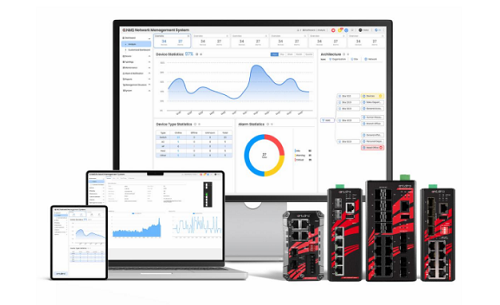
The Antaira Network Management Suite (a.NMS) is designed to manage large deployments of Antaira switches efficiently. It handles essential tasks, such as firmware updates and configuration backups and restores, ensuring streamlined network operations. With a visual dashboard that displays SNMP traps and Syslog data, a.NMS also provides real-time monitoring and enhanced visibility of supported devices. Antaira NMS is built on the ISO FCAPS framework, providing a reliable and structured approach to network management.
Deployed across automation, transportation, security, and utilities sectors worldwide, Antaira switches provide the reliable foundation that network monitoring platforms depend on—because you can’t monitor what you can’t trust to stay operational. Build infrastructure that matches the importance of the data flowing through it.
Learn more at www.antaira.com.