

The adoption of electric vehicle (EV) sector in India has entered a defining phase as the country moves deeper into 2026. What was once considered an emerging technology has now become a strategic pillar of India’s transportation and energy transition. Rising environmental concerns, supportive government policies, improving infrastructure, and growing consumer awareness have collectively accelerated the adoption of electric mobility. By 2026, electric vehicles are no longer viewed as alternatives but as viable and increasingly preferred solutions for personal and commercial transportation.
Overview of Electric Vehicle Growth in India by 2026
India’s transportation sector plays a major role in fuel consumption and urban pollution. Electric vehicles address these challenges by reducing emissions, lowering operational costs, and supporting energy efficiency. By 2026, EV adoption has expanded across urban, semi-urban, and select rural markets, reflecting improved accessibility and acceptance.
The Indian EV market has witnessed steady year-on-year growth, with electric vehicles accounting for a meaningful share of new vehicle registrations. Improvements in product reliability, availability of multiple models, and enhanced charging options have strengthened consumer confidence. This progress indicates that India is transitioning from early adoption to a more mature phase of electric mobility.
Major Trends Driving the EV Market in 2026
Leadership of Electric Two-Wheelers
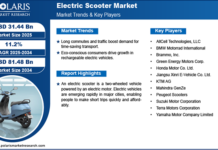
Electric two-wheelers remain the dominant segment of the EV market in 2026. Their affordability, low running costs, and suitability for short-distance travel make them ideal for Indian road conditions. They are widely used for daily commuting, delivery services, and shared mobility platforms.
Manufacturers continue to introduce new models with improved battery life, faster charging, and better performance. As a result, electric two-wheelers have become a common sight across cities and towns, significantly contributing to the normalization of electric mobility.
Growth of Electric Three-Wheelers in Commercial Transport
Electric three-wheelers play a critical role in last-mile connectivity and urban transport. By 2026, they have become a preferred option for passenger transport and goods delivery due to their cost efficiency and lower maintenance requirements.
Fleet operators and independent drivers increasingly favor electric three-wheelers for their predictable operating costs and reduced dependence on fuel. Their widespread use has also contributed to cleaner urban environments and improved income stability for drivers.
Expanding Presence of Electric Passenger Cars
Although electric cars represent a smaller share of total EV sales, their adoption continues to rise steadily in 2026. Improved driving range, better charging accessibility, and the introduction of more affordable models have made electric cars more appealing to private buyers.
Corporate fleets, ride-hailing services, and government departments are also accelerating the adoption of electric cars to meet sustainability targets and reduce long-term operating expenses.
Policy and Regulatory Environment Supporting EVs in 2026
Central Government Initiatives
Government policies remain a key driver of EV growth in 2026. Incentives such as subsidies, tax benefits, and reduced registration fees have lowered entry barriers for consumers. Long-term policy frameworks focusing on clean mobility and domestic manufacturing have encouraged investments across the EV value chain.
These initiatives have also promoted innovation, localization of production, and development of skilled manpower within the electric mobility sector.
State-Level Policy Contributions
Several state governments have strengthened their EV policies by offering additional incentives and infrastructure support. These policies focus on expanding charging networks, attracting manufacturers, and encouraging adoption through non-financial benefits such as parking incentives and road tax exemptions.
State-level efforts have played an important role in addressing regional challenges and accelerating EV adoption beyond major metropolitan areas.
Charging Infrastructure Development in 2026
Charging infrastructure continues to expand rapidly in 2026, supporting the growing number of electric vehicles on Indian roads. Public charging stations are increasingly available in cities, along highways, and at commercial hubs. Residential and workplace charging solutions have also gained traction.
Despite this progress, infrastructure development remains uneven. Smaller towns and rural regions still face limited charging access, highlighting the need for continued investment and coordinated planning. Smart charging and renewable energy integration are emerging as key focus areas to ensure long-term sustainability.
Advances in Battery Technology and Local Manufacturing
Battery technology has seen notable improvements by 2026, leading to better vehicle range, durability, and safety. Advances in battery chemistry have enhanced performance while reducing degradation, making EVs more reliable across varying climatic conditions.
Domestic manufacturing of batteries and EV components has gained momentum, supporting cost reduction and supply chain resilience. Localization has also contributed to job creation and strengthened India’s position in the global EV ecosystem.
Environmental and Economic Benefits of EV Adoption
Electric vehicles offer significant environmental advantages by eliminating tailpipe emissions and reducing urban air pollution. As India increases its use of renewable energy for electricity generation, the environmental impact of EVs is expected to improve further.
From an economic standpoint, EVs provide lower operating and maintenance costs compared to conventional vehicles. Over time, these savings help offset higher initial purchase costs, making electric vehicles a financially viable option for both individuals and businesses.
Key Challenges in the EV Ecosystem
Despite strong progress by 2026, challenges remain. High upfront costs, limited charging infrastructure in certain regions, concerns about battery recycling, and grid capacity constraints continue to affect adoption.
Addressing these issues requires coordinated efforts between policymakers, manufacturers, energy providers, and technology innovators. Continuous investment, regulatory clarity, and technological advancement will be critical to overcoming these barriers.
Future Outlook Beyond 2026
Looking beyond 2026, the future of electric vehicles in India appears highly promising. Continued innovation, supportive policies, and shifting consumer preferences are expected to drive sustained growth. Emerging solutions such as battery swapping, smart energy management, and vehicle-to-grid systems may further enhance the efficiency of electric mobility.
As the ecosystem matures, electric vehicles are likely to become an integral part of India’s transportation infrastructure.