

Solid-State Batteries: You might have noticed that electric vehicles and EVs are slowly becoming common in India. Every week there is some news about a new electric vehicle model, a startup testing the battery of the future, or a government plan to promote electric mobility. But when you ask people about buying it, they hesitate to buy it, so we usually get the answer in two things: battery life and charging time.
honestly, these concerns are real. Batteries can overheat, wear out after a few years, and charging takes longer than filling petrol. But here’s the interesting part: two technologies could change all of this in the next few years — Solid-State Batteries and ultra-fast EV charging systems.
Solid-State Batteries: A Big Change
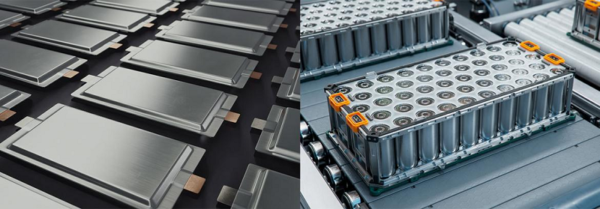
Nowadays, almost all EVs use lithium-ion batteries. They have liquid inside to help electricity flow. Although it works, it also has some problems. The liquid can overheat, batteries degrade faster, and charging is not very fast.
A solid-state battery replaces that liquid with a solid material. And honestly, it’s a big deal.
Why?
- Safer: much lower risk of fire
- Longer-lasting: you won’t need replacements as often
- Faster charging: some could charge in 10–15 minutes
- Better for Indian conditions: handles heat and long trips easily
It’s fascinating because in India, where temperatures can be high and highways are long, these batteries could solve real problems. Some luxury EVs might get them around 2026–27, and mid-range cars could adopt them by 2030.
Ultra-Fast Charging: Quick and Convenient
Charging matters a lot, no matter how strong the battery is. Right now, fast chargers usually take 30–40 minutes. Not bad, but slower than a quick petrol stop.
Ultra-fast charging changes everything. Imagine stopping for a short break on a highway, sipping a cup of tea, and in about 10 minutes your car is ready to go again.
Benefits you might notice:
- Long trips become easier
- Range anxiety decreases
- Less waiting at charging stations
Honestly, once ultra-fast chargers are everywhere, EV ownership will feel almost as convenient as petrol cars.
Together, They Transform EVs
When Solid-State Batteries meet ultra-fast charging, EVs in India will feel like a completely new kind of vehicle:
- Longer trips: 600–800 km on a single charge could become common
- Safer cars: less chance of overheating or fire
- Lower maintenance: batteries last longer, fewer replacements
- Convenient charging: fast, easy, almost like filling petrol
- More buyers: reliable and practical EVs attract more people
It’s interesting because these two improvements solve the biggest worries EV buyers have. In my view, once this happens, EVs will no longer feel like “special cars” — they’ll be practical for everyone.
When Will India See These Changes?
Some major companies are already testing these technologies:
- Tata Motors
- Mahindra Electric
- Hyundai
- BYD
- Toyota
The timeline could look like this:
- 2026–2027: luxury EVs may feature solid-state batteries
- 2028–2030: mid-range EVs start adopting them
- 2030–2035: mass adoption with ultra-fast charging everywhere
Even if mass adoption takes time, it’s coming. And it’s likely to change how Indians see EVs completely.
Conclusion
Electric cars are going to get better in India very soon. They will be very safe and will last a long time with new batteries. And with super-fast charging, we won’t have to wait much to fill them up. When these two come together, driving an EV car will become as normal and easy as driving a petrol car.