

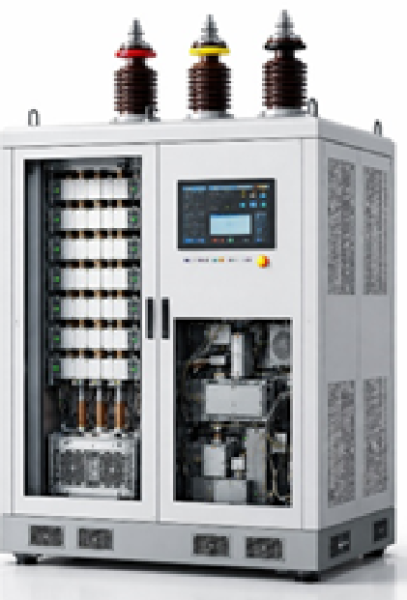
Solid-State Transformer Market – Global power systems are now undergoing a revolutionary period characterized by increased electrification, incorporation of renewable sources of energy, and digitalization. The core of these changes can be found in the solid-state transformer market, a novel industry that stands poised to change the way electricity is managed. While traditional transformers rely on electromechanical processes for voltage conversion and regulation, solid state transformers (SSTs) use modern power electronics and semiconductor devices to provide smarter and more efficient power management solutions. This article analyzes the technology, market environment, growth factors, barriers, and prospects in the solid-state transformer market.
Understanding Solid State Transformers
SSTs are radically different from conventional electromagnetic transformers. Unlike the latter, SSTs utilize power electronics, high-frequency transformers, and digital controls along with magnetic induction.
Key Functional Features
- Two-way power transfer allowing for distributed power systems
- Voltage regulation and power quality management
- Small size and lightweight
- Real-time tracking and digital communication ability
Such characteristics make SSTs well-suited for contemporary uses like smart grids, EV charging stations and renewable energy networks.
Key Drivers of the Solid-State Transformer Market:
1. Renewable Energy Integration
With the increased reliance on solar and wind energy across the globe, there has been an increased need for efficient means of power conversion. The features that have made solid state transformers ideal in this regard include:
- Handling voltage and frequency variations
- Decentralized production of electricity
- Enhancing grid stability
The production of renewable energy has remained among the major areas of application for solid state transformers.
2. Expansion of Electric Vehicle Infrastructure
Quick uptake of EVs is yet another area that acts as a major catalyst for growth.
- SSTs provide highly efficient EV fast-charging stations
- SSTs allow direct medium voltage to low voltage transformation
- SSTs minimize multiple conversion processes
With the increasing popularity of EVs all over the world, the SST market is set to see considerable gains.
3. Smart Grid Development
Power systems of today need sophisticated monitoring, automation, and controls.
Some contributions that SST make towards smart grids are:
- Real-time information/diagnosis
- Adaptive loading
- Microgrid and distributed generation
The rise in the number of smart grids being installed is one of the main reasons that are driving the demand for SST.
4. Electrification of Transportation
Electrification is becoming more common in railways, electric buses, and urban transport.
- The traction SST helps enhance the energy efficiency of railway systems
- It facilitates proper voltage regulation and lowers power loss
- It caters to high-speed railways and metros
The future is likely to open doors for solid state transformers.
Technological Advancements Shaping the Market
The functioning of SSTs is highly dependent upon technological developments in the realm of semiconductor devices in particular, wide bandgap semiconductors like silicon carbide (SiC) and gallium nitride (GaN).
Key Innovations
- Ability to switch at high frequencies for increased efficiency
- Less heat loss and increased durability
- Capability to interface with digital controllers and Internet of Things (IoT) technology
Additionally, research emphasizes the use of SSTs in futuristic technologies like artificial intelligence (AI)-enabled data centers.
Applications Across Industries:
The flexibility of SST technology has enabled its use in a wide range of industries:
1. Power Distribution
- Development of smart grids
- Regulation of voltage levels
- Deployment of renewable energy sources
2. Renewable Energy Systems
- Solar farms and wind power stations
- Hybrid power plants
- Power storage
3. Electric Vehicle Charging
- Quick charging stations
- Vehicle-to-grid (V2G) technologies
- Optimization of EV chargers
4. Industrial and Commercial Applications
- Data centers
- Industrial complexes
- Microgrids and campus energy networks
Challenges and Limitations:
Though it is very promising, there are some problems that could hinder the popularity of the solid-state transformer in the coming years.
- High Initial Costs
- The use of semiconductor devices and power electronics makes manufacturing expensive
- Installation and integration costs are still high
The above-mentioned costs may be considered an impediment, particularly in developing countries.
- Technical Complexity
- An SST is more complex than a traditional transformer
- More complex control system needed
- Limited Awareness and Standardization
- Most utility companies have not heard of SST yet
- A standardized framework to promote SSTs is lacking
Competitive Landscape and Industry Developments
Characteristics of the Solid-state Transformer Market include:
- Active involvement from major electrical equipment suppliers
- Increased investment in R&D efforts
- Forming partnerships and pilot projects
Current industry trends show an increased level of investment in transformers and the grid system, which is driven by increasing global demand for innovative power solutions.
Future Outlook
Future trends for the solid-state transformer market:
1. Integration with Digital Energy Systems
Solid State Transformers (SSTs) will be key players in:
- Smart cities
- AI-enabled energy management systems
- IoE eco-systems
2. Expansion of Microgrids
- Faster implementation in rural or isolated locations
- Reliability improvement and energy independence
3. Advancements in Semiconductor Technology
- Improved Efficiency & Cost-Effectiveness
- Broader adoption for various uses
4. Policy and Regulatory Support
Worldwide policymakers are allocating more resources towards:
- Renewable energy projects
- Modernizing electrical grids
- Electrification programs
These policies are likely to drive solid state transformer market growth.
Role of Market Intelligence and Research
Market research companies hold an important place when it comes to trend analysis, market forecast and spotting new opportunities in the emerging sectors.
The findings by companies like Pristine Market Insights help provide better insight into:
- Market segments and competition
- The level of technological development
- Growth trends in the region
The information can help in making better decisions by stakeholders.
Solid state transformer market represents a breakthrough in the domain of power engineering as they pave the way for advanced, more efficient and smarter systems of energy management. In the context of the ever-changing global energy industry, solid state transformers will undoubtedly play an important role in power infrastructure in the years ahead.
Although there are some barriers, including high cost, complexity and limited awareness, constant progress in technology and investment will solve these problems sooner rather than later. As per Pristine Market Insights, with promising forecasts for growth and expansion of usage in different industries, solid state transformers are bound to become increasingly prominent. Over the next decade, the integration of renewable energy sources, digitalization, and electrification will further increase the role played by solid state transformers.