

Introduction
Healthcare outreach becomes more effective when care can move closer to the people who need it. Hospitals, public health departments, nonprofits, universities, employers, and emergency response teams increasingly rely on trailer-based clinical environments to serve communities beyond fixed facilities. These units can support vaccinations, screenings, diagnostics, dental services, occupational health, behavioral health programs, rural outreach, and emergency medical response.
A medical trailer is not simply a transportable room. It is a working healthcare environment that must combine clinical flow, durable fabrication, patient privacy, staff comfort, reliable power, organized storage, accessible entry, and professional presentation. The space may be compact, but the expectations are high. It must feel safe to patients, practical for staff, and dependable across repeated deployments in different locations and conditions.
Why Trailer-Based Healthcare Needs a Systems Approach
The success of a mobile healthcare trailer depends on how well its systems work together. A clean layout will not help if power access is poorly planned. Strong equipment storage loses value if staff cannot reach supplies quickly. A polished exterior may attract attention, but the patient experience can suffer if the interior feels cramped, confusing, or uncomfortable. Each part of the trailer should support the care process from arrival to departure.
This is why the design should begin with the service model. A trailer used for mobile exams will need a different layout than one used for vaccinations or diagnostics. A unit focused on occupational health may need flexible workstations and fast patient movement. A community screening trailer may need intake space, privacy zones, and clear exit flow. When the build follows the work, the final unit becomes easier to operate and more respectful for patients.
Compact Spaces Require Careful Decisions
Inside a medical trailer, small decisions carry large consequences. The height of a counter, the position of a cabinet, the width of a walkway, the location of an exam area, and the placement of electrical outlets can all affect daily performance. If staff have to step around equipment or search for supplies, the unit loses efficiency. If patients feel exposed or uncertain, trust becomes harder to build.
A thoughtful design reduces those problems before they appear in the field. It gives staff logical work zones, protects patient dignity, and keeps equipment positioned where it can be used safely. The goal is not to fill the trailer with features. The goal is to make every feature serve the healthcare mission.
Automation Thinking in Mobile Healthcare Design
Modern healthcare outreach increasingly depends on digital tools, connected equipment, records systems, scheduling platforms, monitoring devices, and reliable communications. These tools help teams work faster and more accurately, but they need a physical environment that can support them. Power, cable routing, ventilation, mounting, storage, and staff access all influence whether technology improves the workflow or adds friction.
Broader advances in industrial automation technologies show how sensors, connectivity, control systems, and smarter components can improve performance across complex environments. Medical trailer design can learn from that same mindset. The trailer should help people, tools, and information move together with fewer interruptions.
Technology Needs a Reliable Physical Base
A healthcare trailer may carry laptops, tablets, diagnostic equipment, refrigeration units, lighting systems, printers, communication devices, and climate control equipment. Each system needs secure placement and dependable support. Exposed cables, weak mounts, limited outlets, or poor access can create avoidable problems during service days.
The physical shell of the trailer should protect these systems while keeping the human experience at the center. Patients should not feel crowded by equipment. Staff should not fight the layout to use technology. A strong design makes digital tools available without allowing them to dominate the clinical space.
Building Trailer-Based Care for Real Deployment
When healthcare organizations need towable clinical space for community outreach, public health programs, employer wellness, rural service, or emergency response, the build must combine durable fabrication, patient privacy, accessible entry, reliable utilities, secure equipment planning, and efficient staff workflow. Purpose-built medical trailer units help turn a mobile platform into a professional care environment designed to serve patients beyond the limits of fixed facilities.
The Role of Physical Identity in Healthcare Outreach
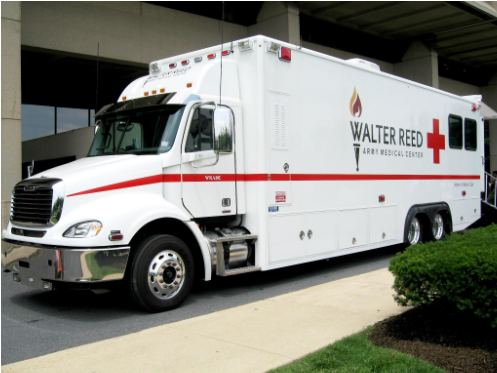
A medical trailer also communicates before any service begins. Its exterior, signage, colors, entry points, and overall presentation tell people whether the service feels organized and trustworthy. This matters in community healthcare because patients may be approaching the unit in a school parking lot, workplace, rural site, public event, or temporary response area. The trailer must quickly answer silent questions: who is providing care, where should I go, and does this feel safe?
Physical brand details can create a strong emotional connection when they feel intentional and useful, and the story of Mailchimp’s memorable brand merchandise shows how tangible objects can help people remember and relate to an organization. In healthcare mobility, the purpose is more serious, but the principle still applies. A well-presented trailer can make a program easier to recognize, approach, and trust.
Visibility Should Support Dignity
Healthcare visibility must be handled carefully. A trailer should be easy to identify, but it should not make patients feel exposed. Exterior graphics should guide people clearly, while the interior should protect privacy and comfort. Windows, partitions, waiting areas, entry flow, and signage all affect how dignity is maintained during care.
This balance is especially important for services involving screenings, consultations, behavioral health, or sensitive medical discussions. The trailer should invite participation without turning the patient experience into a public display. The best designs are clear on the outside and respectful on the inside.
Brand Section: Craftsmen Industries
Craftsmen Industries is associated with custom fabrication, specialized vehicles, mobile medical builds, healthcare trailers, branded environments, fleet graphics, and field-ready solutions. In the healthcare trailer category, the brand’s relevance comes from the need to create mobile spaces that are practical, durable, professional, and patient-conscious.
A healthcare trailer may represent a hospital system, public health agency, nonprofit outreach program, employer wellness initiative, university clinic, or emergency response team. That means the finished unit must support the organization’s mission in both visible and hidden ways. It should look prepared from the outside, function smoothly on the inside, and remain dependable through repeated field use.
Designing for Long-Term Service Value
A medical trailer should be planned as a long-term healthcare asset. It may be used across many locations, seasons, programs, and patient groups. Durable flooring, secure cabinetry, cleanable finishes, serviceable utility systems, protected wiring, and flexible work zones help preserve value over time. The trailer should be able to handle repeated travel, setup, operation, cleaning, and storage without losing its usefulness.
Future flexibility also matters. Healthcare needs can change quickly. New equipment may be introduced, outreach goals may expand, and digital systems may evolve. A trailer with adaptable storage, accessible service areas, modular planning, and room for upgrades can continue supporting care instead of becoming locked into one narrow use.
Trust Is Built Into the Details
Trust in mobile healthcare is created through many quiet details. A stable entry helps patients feel safe. Clean surfaces suggest discipline. Clear signage reduces confusion. Private zones protect dignity. Reliable systems keep appointments moving. Organized staff areas make the care team appear prepared because the environment helps them stay prepared.
Those details may seem small, but inside a compact trailer, they define the entire experience. A well-built unit turns mobility into confidence. It gives patients a clear place to receive care and gives staff a reliable space to provide it.
Conclusion
Medical trailer units help healthcare organizations bring services closer to communities, workplaces, schools, rural areas, events, and emergency response sites. Their value comes from more than being towable. They must operate as clinical environments that support patient comfort, staff workflow, equipment safety, digital tools, and long-term reliability.
When designed with durable fabrication, practical systems, respectful layout, and clear presentation, a medical trailer becomes a trusted platform for care delivery. It helps organizations reach beyond fixed walls and serve people where access matters most.