


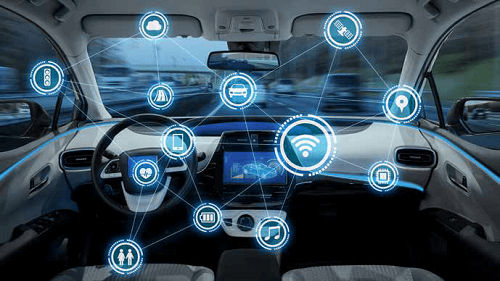
In 2025, automotive telematics is more than just a buzzword it’s transforming how we drive, design vehicles, and manage fleets. Whether you’re behind the wheel of a car or overseeing an entire fleet of delivery vehicles, telematics is reshaping everything from safety features to how we monitor and manage vehicles.
The telematics industry is experiencing rapid growth, emerging as one of the most transformative forces in automotive innovation. This technology is reshaping everything from vehicle performance to driver safety and fleet management. With its ability to enhance connectivity, efficiency, and user experience, telematics is proving to be indispensable. Let’s dive into the key ways it’s already revolutionizing the industry and what the future holds for this game-changing technology.
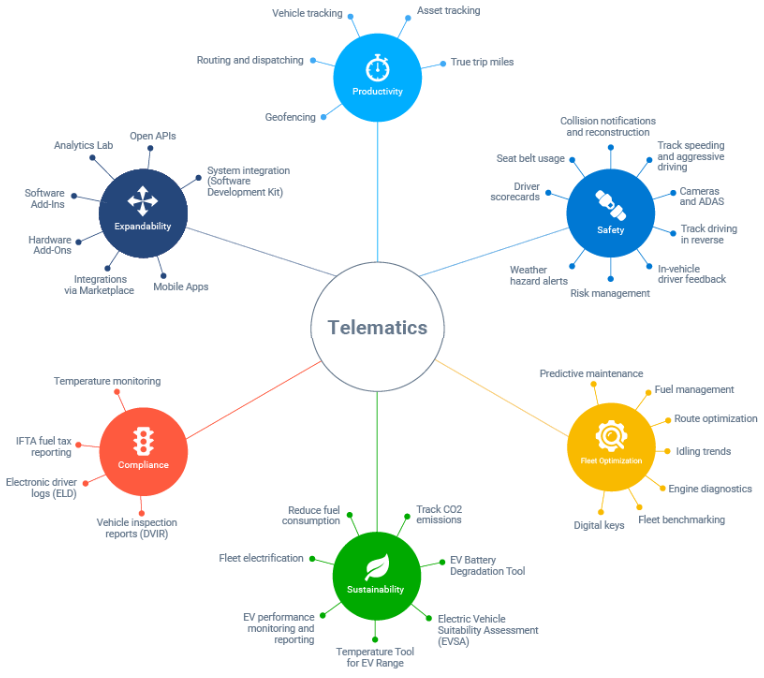
Smarter Vehicles, Safer Roads: Telematics at the Heart of Driver Safety
your car can alert you if you’re swerving off course, detect if you’re getting drowsy, or even notify emergency services if you’re in a collision. That’s telemetry in action, and it’s saving lives every day. Thanks to advancements in AI, IoT sensors, and vision-based systems, vehicles can now “talk” to each other and their environments, making driving safer and more efficient.
In 2025, we’re seeing telematics systems that can do more than just monitor speed or location. They’re getting smarter. For example, cars are now using real-time data to adjust to road conditions, warn about potential hazards, and even communicate with traffic lights and smart infrastructure to optimize traffic flow. This is just the beginning. The future promises autonomous emergency responses, like rerouting traffic to avoid accidents or instantly sending a car’s GPS coordinates to rescue teams in the event of a crash.
The cool part? Insurance companies are jumping on board, using telematics data to offer drivers better, more personalized rates based on their driving behavior. Safe drivers could see lower premiums—an incentive that’s already changing how we approach road safety.
Telematics in Vehicle Manufacturing: Redesigning How Cars are Made
Telematics isn’t just transforming vehicles once they’re on the road—it’s also revolutionizing how cars are built. In 2025, data-driven design is the name of the game. Automakers are now using IoT sensors embedded in the vehicle components during manufacturing to collect real-time data on everything from material durability to vehicle performance. This allows engineers to test parts virtually before they even hit the assembly line.
Imagine being able to predict how a specific type of steel or aluminum will hold up under real-world conditions—without ever having to build a single vehicle. That’s the magic of telematics, providing advanced insights into how materials, designs, and systems will function over time, leading to better-built cars and trucks.
And it’s not stopping there. The rise of digital twins (virtual models of real-world systems) is set to revolutionize vehicle production even further, allowing manufacturers to simulate entire production lines, tweak designs in real time, and minimize costly errors.
Fleet Management: Making Business Smarter and More Efficient
For businesses relying on fleets of vehicles, telematics is already a game-changer. Whether it’s managing delivery trucks or monitoring the status of production vehicles, telematics systems provide real-time data that help businesses improve efficiency, reduce downtime, and save costs. Fleet managers can track vehicle location, health, and fuel consumption—all in real time.
But the impact doesn’t end there. In 2025, we’re looking at AI-powered fleet management systems that can autonomously optimize routes, adjust deliveries in real time based on traffic, and predict when a vehicle will need maintenance. This can help businesses avoid costly repairs and downtime, while simultaneously improving delivery speed and reducing fuel consumption.
In fact, studies show that businesses using telematics in fleet management have saved up to 20% on fuel costs and significantly reduced maintenance expenses. And this is just the beginning as AI and machine learning start to work their magic in logistics.
The Future of Telematics: A World of Connectivity and Innovation
Looking ahead, the future of automotive telematics is all about interconnectivity. We’re on the brink of a new era where smart cities and connected infrastructure will fully integrate with telematics systems in vehicles. Cars won’t just interact with each other; they’ll communicate with traffic lights, smart road signs, and even nearby pedestrians—all in real-time.
This level of connectivity will dramatically reduce traffic congestion, prevent accidents, and improve road safety for everyone. Vehicles will be able to “talk” to each other to avoid crashes, while cities will be able to manage traffic patterns more effectively, reducing travel time and fuel consumption. Imagine a world where traffic jams are a thing of the past, thanks to seamless coordination between vehicles and urban infrastructure.
How to Prepare for the Telematics Revolution: 4 Key Steps for Manufacturers
As the automotive industry races toward widespread telematics adoption, manufacturers need to make sure they’re ready. Here are four key steps to help companies prepare for this transformative shift:
1. Embrace a Data-First Strategy
Telematics generates vast amounts of data, and data management will be crucial in the coming years. Automotive companies need to build robust data infrastructures that can handle both existing and future telematics data sources. This means ensuring data is stored securely and is easy to access for real-time decision-making.
2. Develop Digital Twins and AI Integration
Incorporating digital twins and AI-powered simulations into manufacturing will be essential for creating smarter, more efficient production lines. Companies that harness these technologies will be able to anticipate problems before they arise and streamline vehicle design.
3. Collaborate with Smart City and Infrastructure Networks
Manufacturers should look at opportunities to collaborate with smart city initiatives. As urban infrastructure becomes more connected, cars will need to communicate seamlessly with traffic systems, roads, and other vehicles. Being part of these larger networks will enhance vehicle performance and safety.
4. Focus on Sustainability
Telematics data can help automakers reduce emissions and improve fuel efficiency by optimizing driving patterns and reducing waste in production. Manufacturers should leverage telematics to make smarter, greener vehicles that align with global sustainability goals.
Why Telematics is the Future of Automotive Innovation
Telematics isn’t just the next step for the automotive industry—it’s the next revolution. From smarter manufacturing and advanced driver safety features to intelligent fleet management and connected infrastructure, the possibilities are endless. As we move deeper into 2025, the world of telematics is expanding beyond what we could have imagined just a few years ago. Whether you’re a driver, a manufacturer, or a fleet manager, the impact of telematics on your daily life—and your business—will be profound.