


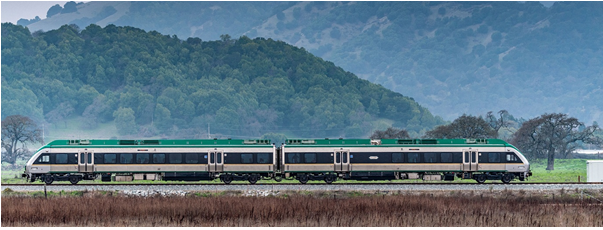
The transportation system undergoes fast development while railways function as its main driving force. Advanced technological research created modern railway systems that operate as traditional railways with digital technologies that enhance their safe and efficient train movement capabilities. The adoption of these technological innovations is transforming the entire transport sector, not only making travel more enjoyable for the passengers but also reducing the inefficiencies of the operators.
Key Components of Smart Railways
New-age smart rail systems are designed to operate through the synchronized use of hardware and software solutions made available in the industry that feature these very components:
- Automatic Train Control: The system uses digital signalling technologies to manage train speed and track distance between trains, as this system helps to avoid train collisions.
- IoT Sensors: The system uses sensors to monitor train tracks, engines and braking systems in real time to identify problems that could lead to equipment failures.
- Big Data Analytics: The system uses advanced data processing techniques to handle extensive operational data enables schedule optimization, maintenance prediction and energy efficiency enhancement.
- Artificial Intelligence Algorithms: The system implements artificial intelligence algorithms to execute predictive the maintenance and anomaly detection while determining train routes through analysis of actual train operation data.
- Passenger Information Systems: The system uses digital displays and mobile applications to provide passengers with real-time information that helps to make their travel experience safer and more comfortable.
The railway elements can be used to make the operational system as untouched as possible during an unfortunate situation.
Enhancing Safety through Digital Technology
The use of smart rail systems throughout the world maintains safety as its highest priority. Digital technologies deliver continuous real-time monitoring systems that monitor railway tracks and signalling systems, and rolling stock to detect faults at their initial stages while decreasing accident probabilities. The implementation of automated emergency braking systems serves as an essential method of decreasing human errors and ensuring rapid response in emergencies.
Also, predictive analytics powered by artificial intelligence gives the operators the ability to find out well in advance the parts that are likely to fail or break down, thus allowing maintenance works to be scheduled on time and thereby reducing the time of disconnection from the service. Centralized traffic control systems additionally add to strengthening safety by facilitating communications between trains and also by allowing for the better management of train movements in even complex rail networks. Altogether, these technological advances lead to a safer and more trustworthy use of the railway system while at the same time inevitably contributing to the overall growth of the smart railways market.
Improving Speed and Efficiency
Smart railways allow an increase in speed and operational productivity of trains by including several modern digital techniques. Using AI-based dynamic scheduling, timetable changes can be made quickly as operators are aware of passenger demand and the current network situation, thus helping to cut down delays. Smart energy management works with the help of sensors and analytics to fine-tune train speed changes and brief stops resulting in less electricity used without compromising performance. To top it all off, working in harmony with bus and metro systems makes passenger transfers a very pleasant experience. Also, with real-time monitoring of traffic, operators can always know train locations, avoid network congestion, and keep on schedule even with the growing complexity of the rail corridors. Besides presenting more efficient operations, these technologies raise passenger experience and reliability, too.
Market Trends Driving Smart Railway Adoption
The smart railway is experiencing steady growth due to several key trends:
- The global economy experiences a growth phase involving increased government outlay on developing digital infrastructure.
- The public demonstrates growing interest in sustainable transportation systems that decrease environmental pollution.
- High-speed rail networks are expanding across Asian, European and North American regions.
- The industry uses cloud platforms to enable remote system monitoring and predictive maintenance processes.
Pristine Market Insights reports that increased urbanization and rising passenger numbers drive transportation systems to adopt digital technologies that need advanced technologies for better operational efficiency, safety measures and increased system capacity in global smart railway systems.
Challenges and Future Outlook
The implementation of smart railways faces significant difficulties with three primary obstacles: the need for substantial initial funding, together with potential security threats and the challenges involved in connecting present-day systems with upcoming technological advancements. Our ability to solve these issues at present depends on ongoing research and development work that unites public and private organizations for their solution. Future smart railways will use automated trains together with artificial intelligence traffic management systems and customized passenger experiences. The rail industry will achieve improved safety, speed and environmental sustainability through its adoption of technological solutions that work together with traditional rail systems.