


Introduction
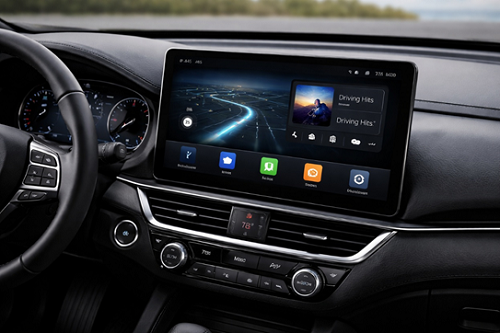
The automotive companies come with major changes and have transformed a lot in a few years. One big change added in Vehicles are now have an infotainment system. This system used to be in luxury vehicles, but now it is a normal part of most of the vehicles. They have really changed the way of driving and experiencing new features. The infotainment system means “information” and “entertainment”, which plays a dual role in the system.
The rising demand in the automotive industry is anticipated to increase the demand for auto infotainment systems, as according to the International Organization of Motor Vehicle, the global sales for vehicles reached 66.24 million in 2024 and 68.67 million in 2025, showing the growth of approximately 3.8% and expected to grow more over the period of time.
The idea of the car infotainment system has changed a lot over time. The car infotainment system has become more advanced and added CD players, MP3 players, etc. After many years, car infotainment systems have undergone a lot of changes in vehicles. Now the auto infotainment system has a touch display with a lot of features like Wi-Fi, Bluetooth, and geo location system installed in it. These changes made it easy while driving. As per Pristine Market Insight, due to an increase in sales and demand for vehicles, the auto infotainment market may rise. There are many key players such as Panasonic Corporation, Ferrari S.p.A., Mercedes-Benz AG, Volkswagen Group, and Robert Bosch GmbH.
Technological Advancements in the Auto Infotainment Market:
1. Cloud connectivity: Cloud connectivity in cars can help to update software on time and also make it easy to connect with devices. Cloud connectivity can make navigation easy and allows streaming and remote diagnostics
2. Graphic Processing Unit (GPU): An advanced graphical processing unit in the auto infotainment market can make the visual experience great, and it gives a high definition display, high graphics for navigation and video streaming.
3. Artificial Intelligence (AI) Integration: Artificial intelligence helps to change the way of using entertainment systems in our cars. With Artificial intelligence driver can interact with their vehicles, and this Artificial Intelligence system helps in controlling music media, climate control, etc., on the basis of our preferences and requirements.
4. Smart virtual assistant: Infotainment systems can be accessed and controlled with the help of virtual assistants such as Google Assistant and Alexa. This virtual assistant allows users to have control over the navigation system and also provides them with real-time data like traffic conditions.
Trends in the Auto Infotainment Market:
- Augmented Reality technology helps in displaying real-time data to enhance safety and reduce distractions.
- Voice command technology is used to control the infotainment system to interact hands-free, more safely and more easily.
- 5th-generation technology helps in fast data transfer for vehicle-to-vehicle communication.
- Gesture control helps the driver and passenger to interact with the infotainment system without touching the display.
Trends & Customer Preferences:
1. Personal Experiences: Drivers, through the assistance of an auto infotainment system, have the opportunity to customise the car environment. For instance, they can set media, control the climate, receive intelligent notification alerts, and much more.
2. Convenience and Safety Features: When buying a car, people consider their safety and comfort. Modern infotainment system gives technologies like driver assistance features, voice control, and parking assurance, and can now make an emergency call during a crash with geo location.
3. Smart Device Connectivity: Apple CarPlay and Android Auto let drivers to connect their smartphones to the vehicle display. This can easily help to access calls, texts, music and apps while focusing on the road.
4. Infotainment in Electric Vehicles (EVs): Now, electric vehicles are the most likely purchased vehicle in the market, and customers are expecting new features in cars. The navigation system in electric vehicles shows the battery percentage and how many more kilometres the car can run, and where the charging station is, as well as how much energy the car is using.
Challenges in the Auto Infotainment Market:
1. Maintenance Costs & High Development: Maintaining and developing can be a high investment for the companies because the infotainment system needs research and development, hardware and software systems as well. Software updates are more necessary for key system functionality and competitiveness.
2. Hardware Limitations: Infotainment systems in vehicles consist of cloud-based services and remote updates, but the hardware limitations can be a challenge in the auto infotainment market. Many of the hardware system faces problems like network issues, storage and processing power, etc.
3. User Interface (UI) Complexity: Today, infotainment system becomes advance, so there can be a risk of complicating the user interface. The companies should keep the user interface easier to understand. The driver may face difficulty in understanding and navigating while driving.
4. Battery and Power Consumption: Battery and power consumption can be a major challenge because features like navigation, streaming and real-time data can consume more power. This may increase battery drained especially in an electric vehicle.
5. Vehicle failure and Hacking: Vehicle failure and hacking represent major risks for the automotive infotainment sector, as these systems govern numerous functions within today’s cars. If one fails, entertainment elements such as tunes, navigation aids, or alert signals might become non-operational, leading to the driver’s bewilderment. On the other hand, a cyber-attack presents a far graver threat since attackers can both pilfer private data and trace the whereabouts of the automobile. Sometimes, they even manage to take over the operation of certain parts of the vehicle, offering no security whatsoever to the affected owners. Manufacturers, therefore, have to allocate more funds for overcoming such hurdles as well as ensuring the continued reliability of the systems. Failing this, consumers may very well lose faith in car infotainment technology and eventually decide against its usage.
Conclusion
The auto infotainment market has made a lot of improvements in recent years. An auto infotainment system is safer, easier and helps in connecting the world around us. The auto infotainment market is expected to grow with the rising demand for advanced technologies in vehicles. The trends of the auto infotainment market are also changing because of new technologies like Artificial Intelligence & Augmented Reality, and people may experience the advancement which is added in auto infotainment. As technology evolves, the auto infotainment market may grow and will give a better driving experience.