

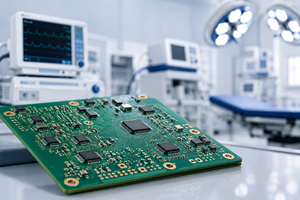
As medical devices grow more complex and miniaturized, the printed circuit boards (PCBs) powering life-critical systems face increasingly strict quality standards. Medical device manufacturers must meet these demands with electronics that perform flawlessly. IPC Class 3 certification represents the highest quality benchmark for these assemblies, requiring advanced material selection and integration with comprehensive quality management systems designed specifically for medical-grade PCBs.
The Rising Stakes in Medical Device Reliability
Modern medical electronics demand exceptional PCB reliability due to increasing complexity and continuous operation requirements. The aging population and rising incidence of chronic diseases are driving demand for advanced equipment that must function without interruption. Circuit boards must withstand extreme conditions while maintaining precise performance.
PCB failures in medical applications carry consequences that extend beyond equipment downtime, creating patient safety risks through malfunctioning treatment systems that can lead to serious adverse events. Regulatory scrutiny and reputational damage compound these concerns when failures occur. Thus, IPC Class 3 has become the benchmark for reducing risk while improving reliability in applications where human lives depend on consistent electronic performance.
What Is the IPC Classification System?
The IPC classification system establishes consistent quality expectations across three product classes:
- Class 1: Addresses general electronics, where cosmetic imperfections are acceptable.
- Class 2: Covers dedicated service products requiring high performance and extended life.
- Class 3: Applies to high-performance products where continued performance is critical and equipment downtime cannot be tolerated.
Within this framework, Class 3 represents the most stringent quality standards, reserved for applications where failure could result in loss of life. Medical equipment, implantable technologies and life support systems commonly demand Class 3 classification. Understanding the certifications required for PCBs used in medical devices helps manufacturers select appropriate standards.
The Pillars of a Compliant IPC Class 3 Design
Achieving Class 3 compliance requires attention to core technical pillars that distinguish these boards from lower classification levels.
Advanced Material Selection and Properties
Long-term reliability in medical applications depends on selecting PCB materials engineered to meet demanding conditions. For example, medical-grade PCBs require substrates and copper foils that must maintain dimensional stability across temperature cycling and provide consistent electrical properties over extended periods.
Beyond mechanical strength, designers must consider signal integrity and dielectric performance. Advanced substrates minimize signal loss while maintaining tight tolerance control. Meanwhile, autoclaving and other sterilization methods common in medical device manufacturing pose unique challenges that material selection must address.
Stringent Manufacturing Tolerances
Class 3 demands tighter tolerances for conductor spacing, annular rings and solder joint quality compared to Class 1 or Class 2 standards. Patient safety depends on these strict requirements. A printed circuit board is a crucial component, and its failure can lead to significant financial losses and safety issues that manufacturers cannot afford.
Precision fabrication and controlled manufacturing environments become essential when working within Class 3 specifications. Continuous monitoring through automated process controls detects variations before they result in nonconforming products, which improves consistency across production runs.
Rigorous Testing and Inspection Protocols
Class 3 certification requires the most thorough inspection regimen of any IPC classification level. Non-destructive testing methods identify manufacturing defects that could otherwise lead to field failures. These approaches prevent malfunctions caused by manufacturing defects that could render IPC Class 3 PCBs for medical devices unusable.
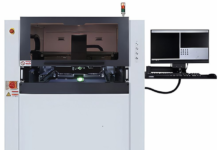
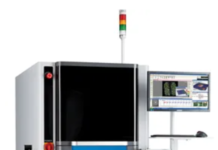
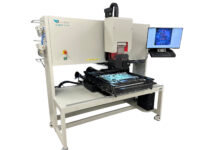
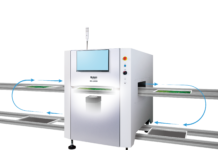
Automated optical inspection systems examine surface features and component placement with precision exceeding human capability. X-ray inspection reveals internal structures within multilayer boards, detecting voids in plated through-holes and insufficient solder penetration. Comprehensive inspection throughout fabrication enables early defect detection that reduces costly failures.
Integrating IPC Standards with a Medical-Grade QMS
A comprehensive quality management system (QMS) that governs design, production and life cycle management must incorporate Class 3 standards.
The Foundational Role of ISO 13485
Medical device manufacturers build upon the quality management foundation established by ISO 13485. It creates a framework to ensure consistent design, development, production and delivery of devices that are safe for their intended purpose. This international standard addresses risk management, design controls and corrective action processes that extend beyond manufacturing output.
Class 3 classification complements this framework with specific technical acceptance criteria. Where ISO 13485 provides organizational structure and procedural controls, IPC standards define the physical characteristic requirements that finished boards must meet.
This dual approach addresses system-level processes and product-level specifications to create a methodology for risk management and continuous improvement. Understanding the certifications required for PCBs used in medical devices becomes essential when aligning these complementary frameworks.
Essential Documentation for Traceability and Compliance
Medical device quality assurance relies on complete manufacturing records, inspection reports and process validation materials. The Device History Record and Certificate of Conformance must accompany every batch to ensure transparency and demonstrate compliance with regulatory requirements.
Regulatory audits depend on objective evidence showing processes remain under control and products meet specifications. Controlled systems provide this information by tracking design changes, process deviations and corrective actions throughout the device life cycle. These comprehensive records for IPC Class 3 PCBs for medical devices create the transparency and accountability that regulators expect from life-critical applications.
Sourcing Medical-Grade PCBs for Life-Critical Applications
Strict requirements for Class 3 and ISO 13485 extend throughout the supply chain. Millennium Circuits Limited (MCL) operates as a strategic partner that understands the complexities involved in producing medical-grade PCBs for demanding applications. According to MCL, “A few of the main challenges a PCB provider must be aware of when sourcing medical PCBs involve ensuring their PCBs meet compliance, size and reliability standards.”
Through an extensive manufacturing network, MCL supports custom bare PCB fabrication alongside engineering expertise spanning the development cycle. Design for manufacturability guidance identifies potential issues before production begins, reducing costly redesigns and timeline delays.
The company highlights, “We regularly help engineers and designers of medical instrumentation by providing complete medical device PCB fabrication and engineering support to bring your product to life.” This capability extends to sourcing complex technologies from qualified partners when projects demand advanced materials or challenging design specifications.
Frequently Asked Questions About IPC Class 3
Organizations evaluating PCB requirements for medical device projects often seek clarity on reliability standards and certification requirements.
What are the most reliable PCBs for medical device manufacturing?
Boards designed and manufactured to Class 3 standards using high-quality materials and comprehensive inspection procedures offer the greatest reliability for medical applications. Long-term performance depends on partnering with experienced suppliers that maintain robust quality management systems, like ISO 13485 certifications, and provide complete traceability. Millennium Circuits Limited regularly provides complete medical device PCB fabrication and engineering to help businesses bring their products to life.
What certifications are required for PCBs used in medical devices?
Medical PCB suppliers commonly work within quality frameworks such as ISO 13485, while fabrication follows Class 3 standards. Required certifications depend on the device classification and the regulations governing its intended market.
How does ISO 13485 differ from IPC Class 3?
ISO 13485 is a quality management system standard that governs organizational processes and records. Class 3 defines manufacturing quality requirements for electronic assemblies. The two standards complement each other to create a comprehensive approach to quality and regulatory compliance.
Building the Future of Medical Electronics with Confidence
Achieving Class 3 certification requires careful attention to design principles, material selection and quality management integration. When manufacturers combine stringent standards with comprehensive management systems, they create the foundation for producing medical-grade PCBs that meet regulatory expectations and perform consistently in life-critical applications. Organizations that successfully implement these frameworks can manufacture circuits that withstand demanding operational environments and extended service lives.