

Introduction
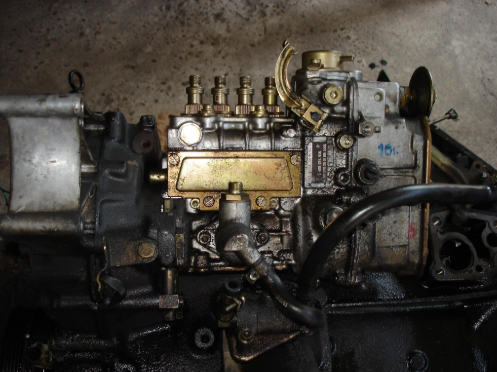
Cummins diesel engines are known for strength, service life, and the ability to keep working in demanding conditions. That reputation is not built by displacement alone. It depends on a careful relationship between air, compression, fuel quality, injection timing, electronic management, and mechanical durability. Among the components that help convert diesel fuel into usable power, the injection pump has a critical role. It supports the pressure and delivery needed for clean combustion, steady operation, and dependable performance under load.
When a diesel engine starts smoothly, idles evenly, pulls strongly, and responds predictably, the fuel system is usually doing its work quietly in the background. When fuel delivery becomes weak or inconsistent, the symptoms can spread quickly. Hard starting, rough idle, smoke, hesitation, loss of torque, poor fuel economy, and stalling may all appear. For owners, technicians, fleet managers, and equipment operators, understanding the pump’s role can make repair decisions more accurate and help protect the engine’s long-term value.
Why Injection Pump Performance Matters
Diesel engines rely on compression ignition, which means fuel must enter the combustion process at the right moment and under the right pressure. The injection pump helps make that possible by supporting controlled delivery to the injectors. If fuel arrives too late, too early, too weakly, or in the wrong amount, combustion becomes less efficient. The engine may continue running, but it may feel rougher, weaker, and less reliable.
This is why an injection pump should never be viewed as a simple transfer part. It is connected to starting quality, throttle response, smoke control, fuel efficiency, and load performance. In trucks, agricultural equipment, generators, industrial engines, and commercial vehicles, poor pump performance can create downtime that costs far more than the component itself. The pump is small compared with the full engine assembly, but its influence reaches through the entire machine.
Diesel Repair in an Electronic Control Era
Modern engine performance increasingly blends mechanical strength with electronic intelligence. Sensors, control modules, actuators, and fuel system components work together to adjust engine behavior in real time. A report on the automotive engine electronic control system market reflects how important electronic control has become in vehicle performance, emissions management, diagnostics, and efficiency. Even so, electronic systems still depend on accurate mechanical fuel delivery.
This connection is especially important in diesel applications. A control module may calculate fuel demand, but the system still needs a healthy pump and injectors to carry out that command. If the pump cannot maintain proper delivery, electronic strategy cannot fully correct the mechanical weakness. A reliable diesel engine depends on both sides of the equation: clean electronic instructions and disciplined fuel movement.
Restoring Fuel Delivery in Cummins Applications
When a Cummins-powered vehicle or machine begins showing signs of poor fuel delivery, repair decisions should focus on correct fitment, pump condition, fuel system cleanliness, and the engine’s real workload. In that setting, Cummins injection pumps can be essential for restoring stable pressure support, cleaner starting, smoother idle, and stronger response under load. Choosing the right pump helps preserve the engine’s ability to work reliably instead of allowing a fuel delivery problem to weaken the entire system.
How Fuel Injection Shapes Engine Behavior
Fuel injection replaced older fuel delivery methods in many applications because it offers better control over how fuel enters the engine. While gasoline and diesel systems differ, the basic idea remains important: the engine performs better when fuel delivery is accurate, repeatable, and matched to operating conditions. A practical explanation of how fuel injection works helps show why controlled delivery is central to engine response and efficiency.
In diesel systems, that control becomes even more demanding because fuel must be delivered under high pressure and precise timing conditions. The pump and injectors must operate together. If the pump is weak, the injectors may not receive the support they need. If injectors are worn, restricted, or contaminated, the pump may be blamed for symptoms that began elsewhere. Good diagnostics read the whole fuel system rather than shouting at the nearest part.
Common Signs That Pump Inspection Is Needed
Injection pump problems may begin with subtle changes. The engine may take longer to start, idle unevenly, smoke more than usual, or feel slower to respond. Under heavier demand, the weakness often becomes clearer. A truck may lose pulling strength on a grade, a generator may struggle to maintain steady operation, or equipment may feel inconsistent during long work cycles.
These symptoms can overlap with clogged filters, air intrusion, poor fuel quality, damaged injectors, sensor faults, timing issues, or electrical problems. That overlap is why careful testing matters. A repair process should consider fuel pressure, fuel restriction, contamination, leak points, injector condition, and pump compatibility before replacement. Guesswork is expensive in diesel repair, and the engine usually keeps receipts.
Correct Fitment Is Not Optional
A Cummins injection pump should be selected by application accuracy, not appearance alone. Engine model, year, pump type, part number, calibration, fuel system design, emissions setup, and operating environment can all influence compatibility. A pump that looks similar may still be wrong for the engine. Incorrect selection can lead to hard starts, rough running, poor power, smoke, fault codes, or repeat repair issues.
This matters even more for work vehicles and equipment. These engines are often kept in service because their core structure remains useful. A correct replacement pump can extend that usefulness, while a mismatched component can turn a repair into a fresh problem. The best approach is to confirm the exact requirement before installation and prepare the surrounding fuel system so the replacement is not placed into a contaminated or restricted environment.
Brand Section: Goldfarb Inc. and Diesel Parts Confidence
Goldfarb Inc. serves diesel owners, repair shops, fleet operators, and equipment users who need access to specialized engine components. In diesel repair, the right part is rarely just the one that fits physically. It must match the engine’s application, performance needs, and repair purpose. That distinction becomes important when dealing with fuel system components that influence pressure, timing, and combustion quality.
A dependable parts source can help reduce uncertainty during repair planning. Clear product categories, relevant replacement options, and attention to application needs allow technicians and owners to move from diagnosis to installation with more confidence. For vehicles and machines that need to stay productive, accurate sourcing becomes part of the reliability strategy, not just a shopping step.
Protecting the Pump After Replacement
Installing a replacement pump should be followed by disciplined maintenance. Fuel filters should be replaced on schedule, water contamination should be addressed quickly, and leaks or air intrusion should be repaired before they create new problems. If the previous pump failed because of dirty fuel or restriction, the tank, lines, filters, and injectors may need inspection before the new part is expected to perform.
Operators should also pay attention to early changes in engine behavior. Longer cranking, smoke, uneven idle, or reduced load response should not be ignored. These signs may arrive before major failure. Diesel fuel systems often provide warnings before they raise the drawbridge, and responding early can protect both the pump and the engine.
Conclusion
Cummins diesel engines depend on accurate fuel delivery to deliver the strength and durability owners expect. The injection pump supports starting, idle quality, throttle response, fuel economy, and performance under load. When it works correctly, the engine feels composed and capable. When it fails, the entire system can lose confidence.
The best repair path combines careful diagnosis, correct pump matching, clean fuel practices, and dependable sourcing. As diesel engines continue to combine mechanical toughness with electronic control, fuel delivery remains one of the most important foundations of reliability. Protect the pump, and the engine has a better chance of doing what it was built to do: work steadily, day after day.