

Smartphone buying mistakes usually happen when shoppers react to marketing, discounts, or trends instead of their real daily needs. In 2026, that mistake can cost more because phones are lasting longer, prices vary widely, and features such as AI tools, advanced cameras, and foldable designs can raise costs fast. A smart purchase starts with knowing how you use your phone every day, what features matter most, and which compromises are acceptable. Instead of chasing the newest model or the cheapest deal, focus on overall value, comfort, reliability, and long-term support. The goal is simple: buy a phone that fits your routine, performs well for years, and does not leave you regretting overlooked details after a few weeks.
Mistake 1: Focusing Only on Price and Ignoring Long-Term Value
Checking Performance, Software Support, and Daily Usage Needs
A low price can look attractive, but a phone that slows down quickly or loses software support early often becomes more expensive in practice. Before buying, check the processor, RAM, storage, battery health expectations, and update policy. A device used for messaging, maps, video calls, photos, and multitasking needs stable day-to-day performance, not just a cheap sticker price. Storage matters too, especially if you keep large apps, videos, or offline files. Software support is equally important because security updates and system improvements extend usable life. If a phone matches your real usage and stays supported longer, it usually delivers better value than a cheaper model that ages fast.
Balancing Budget With Important Smartphone Features
Smart budgeting does not mean choosing the lowest-cost phone; it means paying for the features you will actually use. Start with essentials such as battery life, display quality, charging speed, durability, and dependable camera performance. If you work on the move, battery and screen readability matter more than decorative design touches. If you create content, storage and camera consistency deserve a higher priority. Cutting cost is fine, but avoid sacrificing basics that affect daily satisfaction. A slightly higher upfront price can be worthwhile when it brings smoother performance, stronger build quality, and longer usability. Good buying decisions balance affordability with practical features that keep the phone useful over time.
Mistake 2: Overlooking Design, Display, and User Experience
Evaluating Screen Quality, Size, and Comfort Before Buying
Many buyers focus on internal specs and forget that the display and physical feel shape every interaction. A phone may look impressive online yet feel awkward, heavy, or hard to use during long sessions. Check screen brightness, resolution, refresh rate, and color quality, especially if you stream, read, game, or work outdoors. Size also matters: a larger display helps productivity and media, but only if it remains comfortable in your hand, pocket, and daily routine. Pay attention to bezels, grip, weight distribution, and button placement. The best screen is not simply the biggest one; it is the one that makes reading, typing, viewing, and carrying the phone easy every day.
Considering Foldable Smartphone Design for Modern Usage
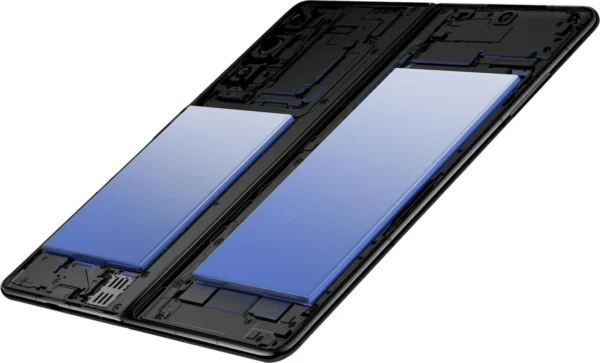
Foldable phones deserve serious consideration in 2026 because they solve a common problem: wanting a compact device without giving up screen space. This design can be especially useful for multitasking, reading documents, split-screen work, and entertainment. However, buyers should not choose a foldable only because it looks futuristic. They should examine hinge quality, folded thickness, weight, crease visibility, app optimization, and how naturally the device fits daily habits. A well-designed foldable can improve productivity and portability at the same time. If your routine includes frequent travel, mobile work, or extended content viewing, foldable smartphone design may offer practical benefits rather than serving as a simple style-driven upgrade.
Mistake 3: Choosing Features Without Matching Your Lifestyle
Selecting Camera, Battery, and Performance Features Wisely
Smartphone features should support how you actually live, not how advertisements suggest you might. If you mostly message, browse, and stream, you may not need extreme gaming power or advanced camera tools. On the other hand, frequent travelers should prioritize battery life, charging convenience, and network reliability. People who shoot photos or short videos should focus on image consistency, stabilization, low-light performance, and storage capacity. Buyers who multitask heavily need strong memory management and smooth app switching. The mistake is paying for premium features that stay unused while overlooking essentials that affect daily convenience. Match camera, battery, and performance choices to your habits, and the phone will feel like a better investment.
Reviewing Premium Smartphone Options Like HONOR Magic V2 for Different Needs
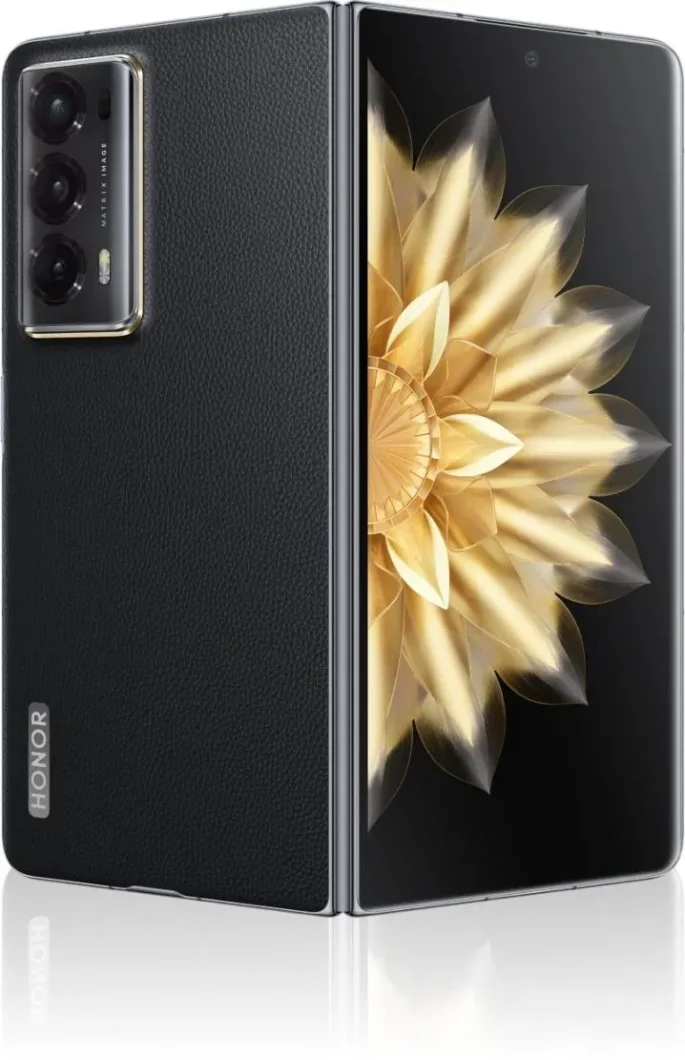
Premium models can make sense when their design and features solve specific needs. The HONOR Magic V2 is a good example for buyers interested in productivity, portability, and a more flexible screen experience. Its slim foldable design appeals to users who want a larger display without carrying a bulky device all day. That can be useful for reading, multitasking, handling documents, and media consumption on the go. It fits best for people who value premium build, modern form factor, and a device that supports both work and entertainment in one package. The key is not buying a premium phone for status, but choosing one because its strengths clearly match your routine.
Conclusion
The biggest smartphone buying mistakes in 2026 come from ignoring how a phone will perform in real life over time. Price alone is not enough, premium features are not automatically useful, and design matters more than many buyers expect. A better purchase comes from checking long-term value, software support, screen comfort, battery life, camera needs, and how the device fits your lifestyle. Foldable options and premium devices can be excellent choices when they solve practical problems rather than just adding novelty. If you buy with daily use in mind, you are far more likely to end up with a smartphone that feels right long after the unboxing excitement fades.