


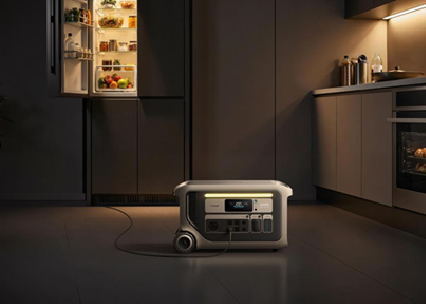
A solar generator can do far more than sit in storage for emergencies. Used daily, it helps power small appliances, keep essential electronics running, and reduce reliance on grid electricity for routine tasks. It also brings flexibility to outdoor plans, mobile work setups, and temporary power needs around the house. The key is matching your generator’s capacity, charging habits, and output options to the way you actually live. With a practical setup, a solar generator becomes a reliable part of everyday energy use rather than a rarely touched backup device that only gets attention when the lights go out at home.
Everyday Home Uses for Solar Generators
Supporting Essential Devices During Daily Activities
A solar generator fits naturally into normal household routines when you use it for devices that matter most. It can run Wi-Fi routers, charge phones and laptops, power lights in work areas, and support smaller kitchen or medical devices during the day. This helps shift some energy use away from wall outlets while keeping key equipment available where you need it. It is especially useful in rooms without convenient plugs, for shared family spaces, or for temporary setups like study stations. Instead of treating it as emergency-only equipment, you can make it part of a daily charging routine that supports comfort, productivity, and convenience without adding noise, fumes, or complicated installation requirements.
Creating Backup Power for Unexpected Situations
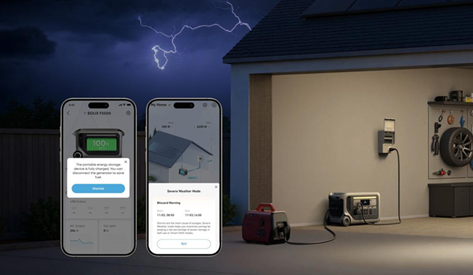
Daily use also keeps a solar generator ready for outages, storms, and other disruptions. When power interruptions happen, you can quickly switch to stored energy for lights, communication devices, fans, and basic refrigeration support, depending on your unit’s capacity. Regular charging and testing matter because backup equipment works best when it stays familiar and maintained. Features such as intelligent power management add practical value here. For example, the Anker SOLIX F3000 can send automatic reminders to unplug once it is fully charged by a generator, helping save fuel. When extreme weather approaches, its intelligent backup also activates to keep you better prepared. That combination makes everyday use and emergency readiness work together more smoothly.
Outdoor Applications That Make Solar Generators More Versatile
Powering Camping, Travel, and Off-Grid Adventures
A solar generator becomes even more useful when you take it beyond the house. For camping trips, road travel, and off-grid stays, it can power lanterns, phones, portable coolers, cameras, speakers, and small cooking accessories without the noise of a fuel-powered unit. Solar charging also helps extend trips by letting you top up during daylight hours. This makes it easier to stay comfortable while reducing dependence on campground hookups or frequent charging stops. A well-planned setup supports both convenience and safety, especially when you need lighting after dark or dependable power for navigation and communication devices. For many travelers, that flexibility turns a simple battery station into an essential travel tool.
Supporting Remote Work and Outdoor Projects
Outdoor work becomes easier when portable power is available where extension cords cannot reach. A solar generator can support laptops, monitors, hotspots, battery chargers, and task lighting for remote work on patios, at job sites, or in temporary workspaces. It is also useful for outdoor projects such as repairs, photography sessions, market stalls, and backyard events that need steady power without extra setup. Because many tasks happen during daylight hours, solar input can help offset usage while you work. That makes the system practical for repeated use rather than occasional convenience. With the right output ports and battery size, a solar generator helps create a flexible workspace almost anywhere you need reliable electricity.
How to Get More Value From a Solar Generator Every Day?
Combining Solar Charging With Smart Energy Management
Getting more value from a solar generator starts with using solar input consistently and planning loads carefully. Charge during strong daylight, then use stored power for evening lighting, device charging, or short bursts of appliance use. This simple pattern improves daily efficiency and helps reduce unnecessary grid dependence. It also makes monitoring easier because you learn which devices draw the most power and when to run them. Smart energy management features can simplify this process by preventing waste and improving readiness. Automatic charging reminders, battery status tracking, and backup functions help you use energy more intentionally. The result is a system that supports everyday routines while staying prepared for urgent needs.
Choosing Usage Habits That Improve Battery Efficiency
Battery efficiency improves when you build steady habits around charging, storage, and load selection. Avoid draining the unit completely when you do not need to, and recharge it before long idle periods. Use it first for practical, moderate-demand devices instead of connecting every high-wattage appliance at once. Keeping the generator in a suitable temperature range and checking cables, ports, and solar panels regularly also supports stronger long-term performance. It helps to create a simple routine: top up during sunny periods, rotate through essential devices, and test backup functions before bad weather. Small habits like these protect battery health, improve reliability, and make the generator more useful as an everyday energy tool.
Conclusion
A solar generator delivers the most value when it supports everyday life, not just emergency planning. At home, it can keep essential devices powered and strengthen your backup strategy. Outdoors, it adds dependable energy for travel, work, and projects in places without easy access to electricity. With consistent solar charging and better battery habits, you can use it more efficiently and get longer-term performance from your system. The smartest approach is simple: treat your solar generator as a practical daily resource. When used that way, it becomes more convenient, more reliable, and far better integrated into the way you live and work.