

Power station capacity planning for home emergencies starts with a simple goal: keep essential devices running safely for the length of an outage. To choose the right size, you need to match battery capacity to the appliances you actually rely on, then estimate how long that stored energy will last. A small unit may cover lights, phones, and a router, while larger systems can support refrigeration, medical equipment, or even major home loads. Careful planning prevents overspending, reduces downtime, and gives you a practical backup strategy when grid power fails.
Understand Your Home Energy Needs During Emergencies
List Essential Devices and Their Power Requirements
Begin by writing down the devices you must power during an outage, not everything you own. Most homes prioritize a refrigerator, modem and router, phones, lights, a fan, medical equipment, and perhaps a microwave or coffee maker for short use. Check each device label for watts or amps. If only amps are listed, multiply amps by volts to estimate watts. Then separate continuous loads from occasional loads. A router may draw 10 to 20 watts for many hours, while a microwave may use 1,000 watts briefly. Add the running wattage of items likely to operate at the same time. That total gives you a realistic starting point for capacity planning.
Estimate Runtime Based on Battery Capacity
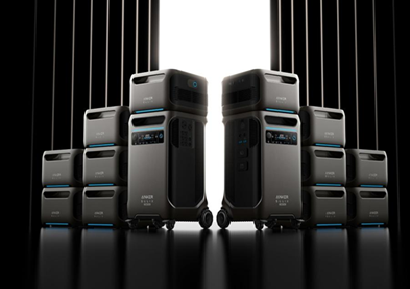
Battery capacity is usually listed in watt-hours or kilowatt-hours, and runtime comes from dividing usable stored energy by the total wattage of connected devices. For example, a 1,000Wh power station running a 100W load can deliver about 10 hours before accounting for inverter losses. In real use, efficiency reduces available energy, so build in a buffer rather than planning around the exact maximum. If your essentials total 500W and you want 12 hours of backup, target at least 6kWh of usable energy. For larger emergency loads, the Anker SOLIX F3800 Plus Portable Power Station starts at 3.84kWh and can expand to 53.8kWh for extended backup.
How to Choose the Right Power Station Capacity for Different Situations?
Small Capacity Options for Basic Emergency Devices
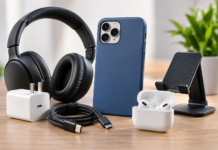
Small capacity power stations work well when your emergency plan focuses on communication, lighting, and a few low-draw essentials. If you mainly need to keep phones charged, run a Wi-Fi router, power LED lamps, and support a laptop, a lower-capacity unit can cover those basics without adding unnecessary cost or weight. This approach also suits apartments, short outages, and households that already use gas for cooking and heating. The key is to avoid connecting high-wattage appliances that drain the battery quickly. A compact station is most effective when paired with a clear priority list, efficient devices, and disciplined usage during the outage window to stretch runtime.
Higher Capacity Solutions for Longer Outages and More Appliances
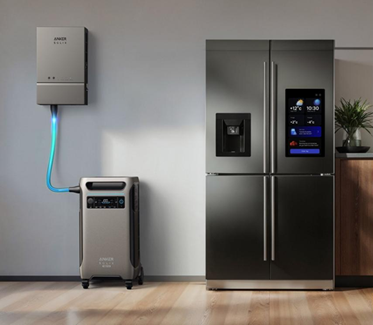
Higher capacity systems make sense when outages last longer or when you need to support refrigeration, sump pumps, power tools, space cooling, or multiple rooms at once. In these cases, both battery size and output rating matter. You need enough stored energy for overnight and multi-day use, plus enough surge and continuous power for larger appliances to start and run properly. A system with 120V/240V capability is especially useful for homes with heavier loads. The Anker SOLIX F3800 Plus Portable Power Station delivers 6kW AC output per unit, can power fridges to central AC, and expands from 3.84kWh to 53.8kWh for days-to-week-long backup support.
Factors That Affect Power Station Performance and Backup Time
Consider Power Consumption Patterns and Startup Loads
Backup time depends on more than the battery number printed on the box. Actual performance changes with how appliances cycle on and off throughout the day. Refrigerators, for example, do not draw full power continuously, but compressors create startup surges that require higher output capacity. Pumps, air conditioners, and some medical devices can also need extra power for a few seconds when starting. If your station cannot handle those peaks, the device may not run even if the battery is large enough. Plan around both continuous wattage and startup loads. It also helps to stagger appliance use instead of turning everything on at once during a stressful outage.
Plan for Recharging Methods and Future Energy Needs
Capacity planning should include how you will recharge the power station after the first battery cycle. A larger unit offers more backup, but recharging speed and access matter just as much in a prolonged outage. If grid power may be unavailable for days, consider whether you can recharge from solar input, a generator, or available utility service between interruptions. Also think ahead about changing household needs. A setup that only covers lights and phones today may feel undersized if you later need freezer storage, home office equipment, or medical support. Choosing a scalable system can protect your investment and give you more flexibility as emergency planning priorities evolve over time.
Conclusion
The right power station capacity for home emergencies comes from matching essential loads, required runtime, and realistic outage conditions. Start with a device list, total the watts you expect to use at the same time, and convert that demand into the battery capacity needed for your target number of hours. Then check output limits, startup surge capability, and recharge options so the system performs when you need it most. Whether you choose a compact backup unit or an expandable high-capacity system, careful planning helps you maintain critical comfort, communication, and safety without guessing when the power goes out.